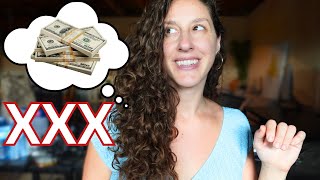
People ask me all the time how I ended up doing what I do. And honestly, it's not the kind of career path they covered in school guidance counseling. There was no brochure that said, "Have you considered talking about sex on the internet for a living?" But here I am, and I wouldn't trade it for anything. So let me tell you how this happened.
My background is in sex education. Real, studied, academic sex education. And while that foundation has been invaluable, I realized pretty early on that the way sex education is traditionally delivered has some serious limitations. It tends to be clinical. It tends to focus on risk — disease, pregnancy, what not to do. And it almost completely ignores the aspects of sexuality that people actually want to understand: pleasure, connection, desire, communication, and the messy emotional stuff that comes with all of it.
Where Traditional Sex Ed Falls Short
Think back to whatever sex education you received growing up. If you're like most people, it probably involved a diagram of reproductive organs, some information about STIs, maybe a condom demonstration on a banana, and a general vibe of "be careful out there." That's it. That was the extent of the preparation you received for one of the most significant areas of human experience.
Nobody talked about desire. Nobody talked about communication in the bedroom. Nobody talked about what to do if something feels emotionally complicated, or how to navigate differences in libido, or what a healthy sexual relationship actually looks and feels like. And the result is that millions of adults are walking around feeling lost, ashamed, confused, or just deeply uninformed about their own sexuality.
Why YouTube Felt Like the Right Place
When I started thinking about how to reach people with a different kind of sex education — one that was warm, honest, inclusive, and actually addressed the things people were curious about — YouTube made the most sense. It's accessible. It's free. People can watch in private, on their own time, without the awkwardness of sitting in a classroom.
And there's something about the video format that allows for a kind of intimacy that written content can't quite replicate. When you can see someone's face, hear their tone of voice, and sense that they're not judging you, it creates a feeling of safety. And safety is everything when it comes to talking about sex. People need to feel safe before they can be open, ask questions, and actually absorb new information.
That said, making sex content on YouTube comes with its own challenges. The platform's algorithm and policies around sexual content are notoriously restrictive, and walking the line between being honest and educational while also staying within community guidelines is a constant balancing act. But I've learned to navigate it, and I think the constraints have actually made me a better communicator.
Edutainment: The Sweet Spot
I use the word "edutainment" because I think the best education doesn't feel like education. When you're entertained, you're engaged. When you're engaged, you're learning. And when you're learning in a way that feels fun and relatable rather than clinical and preachy, the information actually sticks.
My videos are a mix of personal stories, research, practical advice, and genuine conversation. I share my own experiences because I think vulnerability invites vulnerability. When I talk openly about my own journey with pleasure, relationships, and sexuality, it gives people permission to be honest with themselves about theirs. And that openness is where real growth happens.
What I've Learned From My Community
The most rewarding part of this whole journey has been the community that's formed around the channel. The comments, the messages, the stories people share with me — they're incredible. People tell me they finally had a conversation with their partner that they'd been avoiding for years. People tell me they stopped feeling ashamed of something they'd been carrying since childhood. People tell me they tried something new and it changed their relationship.
That's not me doing that. That's them doing the work. I'm just providing the space and the nudge. And I think that's what's missing from traditional sex education: the acknowledgment that this is deeply personal work, and that people deserve a guide who feels like a friend rather than a lecturer.
Where I'm Going From Here
I have so many plans for the future of this channel and this work. More videos, more topics, more conversations that go deeper into the areas where people need support. I want to cover everything from the fundamentals to the stuff that feels edgy or taboo, always with the same warmth and honesty that I've built this community on.
If you're new here, the video is a great place to start — it gives you the full story of how I got here and what drives the content I make. And if you've been around for a while, thank you. Seriously. You're the reason I keep going.