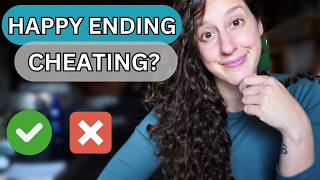
Let me start by saying something that might feel uncomfortable: cheating is not always about a bad person doing a bad thing in a bad relationship. I know. That's a tough pill to swallow. But if we actually want to understand infidelity — and maybe even prevent it — we have to be willing to look beyond the surface-level story of betrayal and blame.
I made a whole video about this topic because it's one of those things that comes up constantly in conversations about relationships, and it almost always gets reduced to the same narrative: someone cheated, therefore they're terrible, end of story. But psychology tells us it's way more nuanced than that. So let's talk about it.
We Need to Rethink the "Why"
When most people hear that someone cheated, the first question is usually "What's wrong with their relationship?" And honestly, sometimes there is something wrong. But here's what surprised me when I started researching this: a lot of people who cheat actually describe their relationships as happy. Stable, even. They love their partners. They don't want to leave.
So what's going on?
It turns out that infidelity is rarely just about sex, and it's rarely just about the relationship. More often, it's about the individual — about something they're searching for within themselves. That could be a sense of aliveness, a feeling of being desired, a version of themselves they've lost touch with, or something they never got to explore.
Unmet Needs Aren't Always Obvious
We tend to think of "unmet needs" in really concrete terms — not enough sex, not enough attention, not enough romance. And sure, those things can play a role. But the needs that drive people toward infidelity are often much harder to name.
Think about it: when was the last time you felt truly seen by someone? Not just acknowledged, but seen in a way that made you feel electric? That feeling of novelty, of being a mystery to someone, of existing outside of your everyday roles as a partner, parent, or professional — that's powerful. And when people haven't felt that in a long time, it can create a vulnerability they didn't even know was there.
Some of the emotional needs that research points to include:
- Novelty and curiosity — the desire to experience something new or unknown
- Feeling desired — not just loved, but actively wanted
- Autonomy and identity — wanting to feel like your own person outside of the relationship
- Emotional intimacy — deep connection that goes beyond day-to-day logistics
- Escape from stress or pain — using the affair as a way to cope with something difficult
None of these are excuses. But they are explanations, and there's an important difference between the two.
Attachment Styles Play a Bigger Role Than You'd Think
If you've ever gone down the rabbit hole of attachment theory, you know that the way we learned to connect as children follows us into our adult relationships. And it turns out that attachment styles can have a real influence on infidelity.
People with an anxious attachment style, for instance, might seek validation outside the relationship when they feel insecure or unappreciated. People with an avoidant attachment style might use an affair as a way to create emotional distance when things feel too close. And those with a disorganized attachment style may struggle with a push-pull dynamic that makes commitment feel simultaneously necessary and terrifying.
This doesn't mean that your attachment style determines your fate. But it does mean that understanding your patterns can help you recognize when you're vulnerable — and that awareness is a genuinely protective factor.
Stress, Loneliness, and Life Transitions
Here's something we don't talk about enough: context matters. A lot. People are more susceptible to infidelity during periods of significant stress, grief, career change, becoming a parent, or any major life transition that shakes up their sense of identity.
Loneliness within a relationship is another huge factor. You can share a bed with someone every night and still feel profoundly alone. That kind of loneliness — the kind that exists inside a partnership — can be more painful than being single, because there's an expectation that your partner should fill that gap. When they don't, people sometimes look elsewhere, not because they've stopped loving their partner, but because they're searching for something they can't quite articulate.
Understanding Doesn't Mean Condoning
I want to be really clear about this because I know it's a sensitive topic: exploring why people cheat is not the same as saying cheating is okay. It's not a pass. It's not a justification. Infidelity causes real pain — deep, lasting pain that can take years to heal.
But if all we do is point fingers and assign labels of "good person" or "bad person," we miss the opportunity to actually learn something. We miss the chance to look at our own relationships with more honesty. We miss the chance to have the hard conversations before things reach a breaking point.
The most useful thing I took away from researching this is that strong relationships aren't the ones where temptation never exists. They're the ones where both people feel safe enough to talk about the hard stuff — the loneliness, the unmet desires, the parts of themselves they feel like they're losing. That kind of honesty is uncomfortable, but it's also the thing that keeps people close.
Let's Keep Talking About This
If this topic resonated with you — or challenged you — I'd really love for you to watch the full video where I go even deeper into the research and share more of my thoughts. No shaming, no finger-pointing. Just an honest conversation about something that affects way more people than we like to admit.